



What Are the Most Common Refractive Disorders?


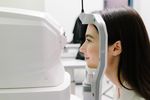
Clear vision depends on how well light entering the eye is focused onto the retina. When that light does not focus properly, the result is a refractive disorder. These conditions are common and affect people of all ages - from children in school to adults noticing changes in their vision over time. Understanding the most common refractive disorders and why comprehensive eye exams matter is key to protecting your long-term eye health.
Myopia (Nearsightedness)
Myopia occurs when distant objects appear blurry while close objects remain clear. This happens when the eye is slightly longer than normal or the cornea is too curved, causing light to focus in front of the retina instead of directly on it.
Common signs of myopia include:
• Difficulty seeing road signs or whiteboards
• Squinting to see distant objects
• Eye strain or headaches, especially after driving or watching TV
Myopia often develops in childhood and can progress over time, making regular eye exams essential for proper monitoring and correction.
Hyperopia (Farsightedness)
Hyperopia causes distant objects to appear clearer than close-up ones, though in moderate to severe cases, both near and far vision can be blurry. This condition occurs when the eye is too short or the cornea has too little curvature, causing light to focus behind the retina.
Common symptoms include:
• Trouble reading or doing close work
• Eye fatigue after prolonged near tasks
• Headaches or eye discomfort
Children may not always show obvious symptoms because their eyes can compensate, which is why routine eye exams are especially important during early development.
Astigmatism
Astigmatism is caused by an irregularly shaped cornea or lens, leading to distorted or blurred vision at all distances. It often occurs alongside myopia or hyperopia.
Symptoms may include:
• Blurred or distorted vision
• Difficulty seeing fine details
• Eye strain, headaches, or squinting
Because astigmatism can be subtle, many people are unaware they have it until it’s detected during a comprehensive eye exam.
Presbyopia
Presbyopia is an age-related condition that typically becomes noticeable in the early to mid-40s. It occurs when the eye’s natural lens loses flexibility, making it harder to focus on close objects.
Common signs include:
• Holding reading material farther away
• Blurred near vision
• Eye strain when reading or using digital devices
Presbyopia is a natural part of aging and can be effectively managed with the right vision correction.
Why Annual Comprehensive Eye Exams Are Essential
While refractive disorders are usually correctable with glasses, contact lenses, or other treatments, symptoms alone don’t tell the full story. Comprehensive eye exams do more than determine your prescription - they evaluate overall eye health and can detect early signs of conditions such as glaucoma, macular degeneration, or diabetic eye disease.
Regular eye exams allow your eye care provider to:
• Accurately diagnose refractive disorders
• Monitor changes in vision over time
• Identify eye health issues before symptoms appear
• Recommend the most effective vision correction for your lifestyle
For children, exams support healthy visual development. For adults, they help preserve clear vision and catch age-related changes early.
Stay Ahead of Vision Changes at Manchester Eyecare
Refractive disorders like myopia, hyperopia, astigmatism, and presbyopia are common, but they don’t have to interfere with your quality of life. With proper diagnosis and ongoing care, clear and comfortable vision is achievable at every stage of life. Comprehensive eye exams play a vital role in not only correcting vision, but also safeguarding your long-term eye health.
If you’re experiencing changes in your vision, schedule a comprehensive eye exam at Manchester Eyecare to get checked for refractive disorders. Visit our office in North Manchester, Indiana, or call (260) 306-3937 to book an appointment today.



Our Services
Contact Info
Hours of Operation
- Monday 8:00 AM - 12:30 PM
1:30 PM - 5:00 PM - Tuesday 8:00 AM - 12:30 PM
1:30 PM - 5:00 PM - Wednesday 8:00 AM - 12:30 PM
1:30 PM - 5:00 PM - Thursday 8:00 AM - 12:30 PM
1:30 PM - 5:00 PM - Friday 8:00 AM - 1:00 PM
- Saturday By Appointment Only
- Sunday Closed
Office staff begins answering the phones, adjusting or dispensing glasses and contacts by 8:00 am each day.
© 2026 Manchester Eyecare. All rights Reserved. Accessibility Statement - Privacy Policy - Sitemap
Powered by:
